

On the job
Short, practical notes from the truck: how to run a bead, how long it takes to cure, which tube to pick for which material, and what to do when the adhesive ends up somewhere it should not.
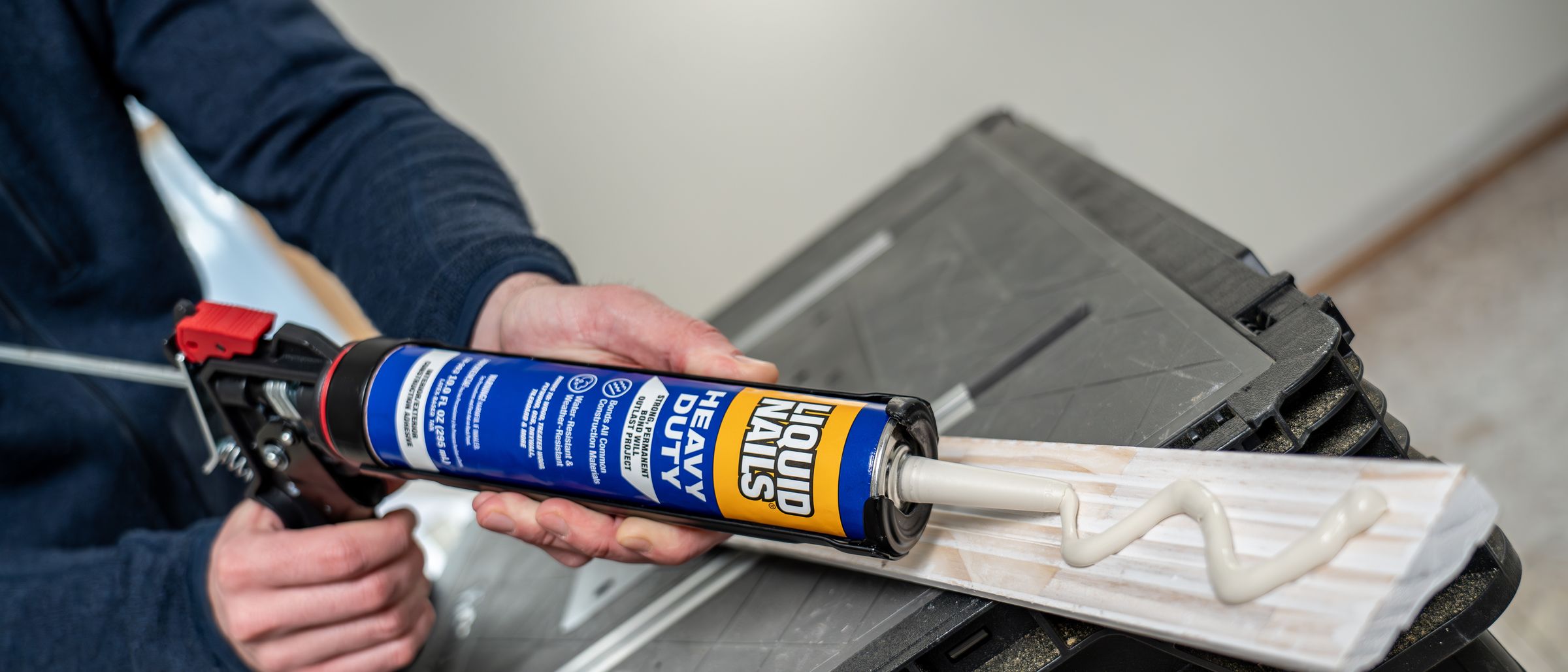
How to use Liquid Nails construction adhesive
A construction adhesive does its best work when the bead is the right size, the surfaces are clean and the piece is held still while the bond cures. Here is the routine we print on every cartridge, with the parts people skip.
Read the how-to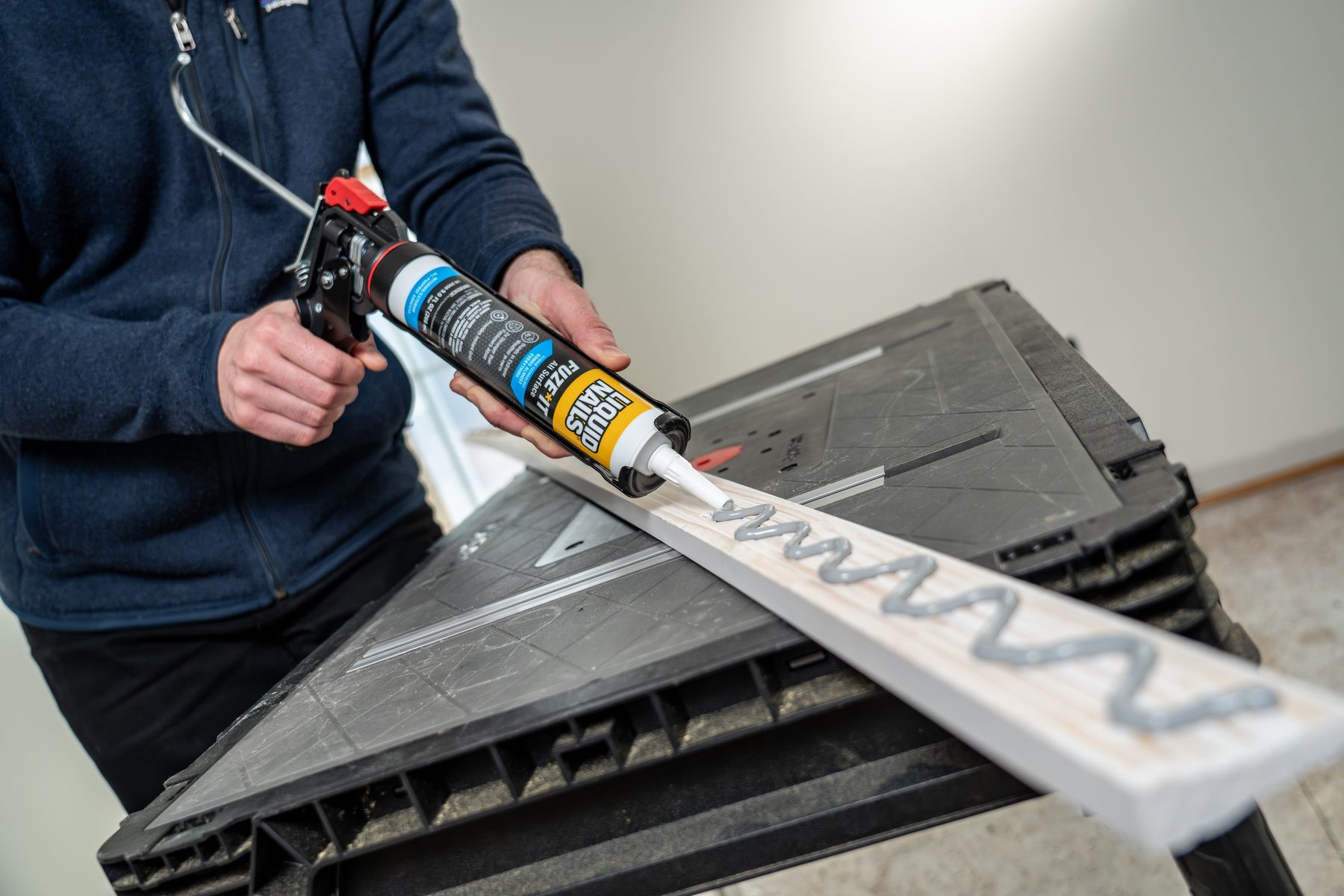
How long does Liquid Nails take to dry?
Dry and cure are two different clocks. Dry is when the bead no longer moves; cure is when the bond reaches full strength. The second clock is the one…
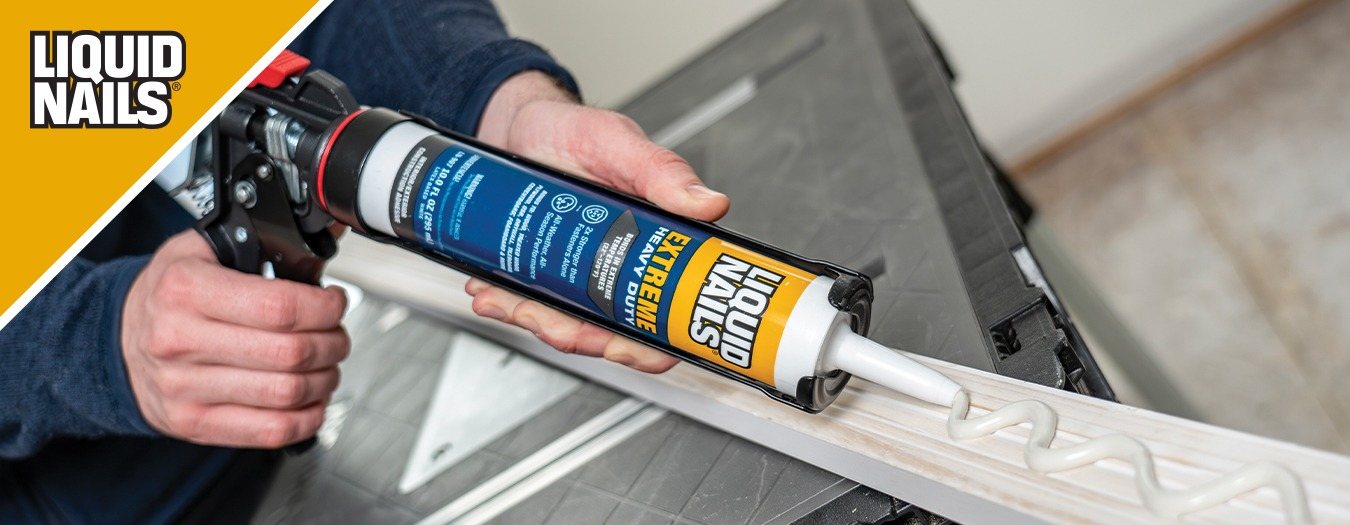
Which Liquid Nails to use for your project
We make a specific formula for most of the materials on a job site, which is good for the bond and confusing in the aisle. Find the material or the…
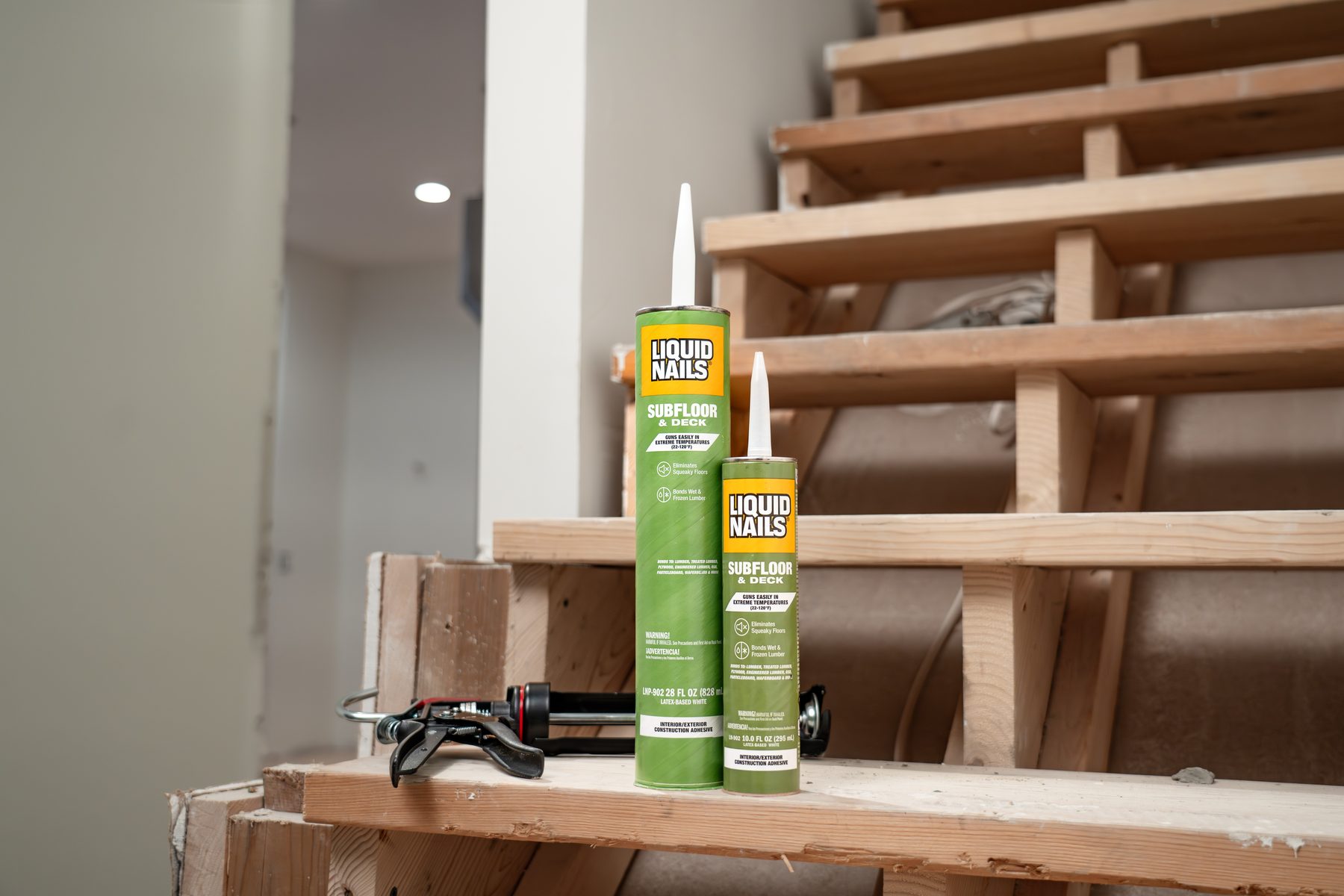
How to glue down a subfloor and stop floor squeaks
A nailed subfloor squeaks the first winter the framing dries. A glued and nailed subfloor does not, because the panel is bonded to the joist along…
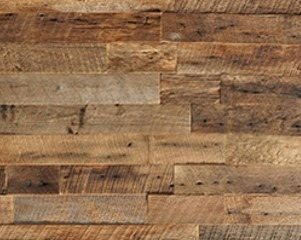
How to remove Liquid Nails adhesive
A bond that outlasts the project is the point, which makes removal the hard part. The wet bead comes off easily; the cured bead has to be softened…

How to install a tub surround with adhesive
Shower surround kits are light, thin and translucent, and they take steam every day. The adhesive has to hold the panel without burning through it…
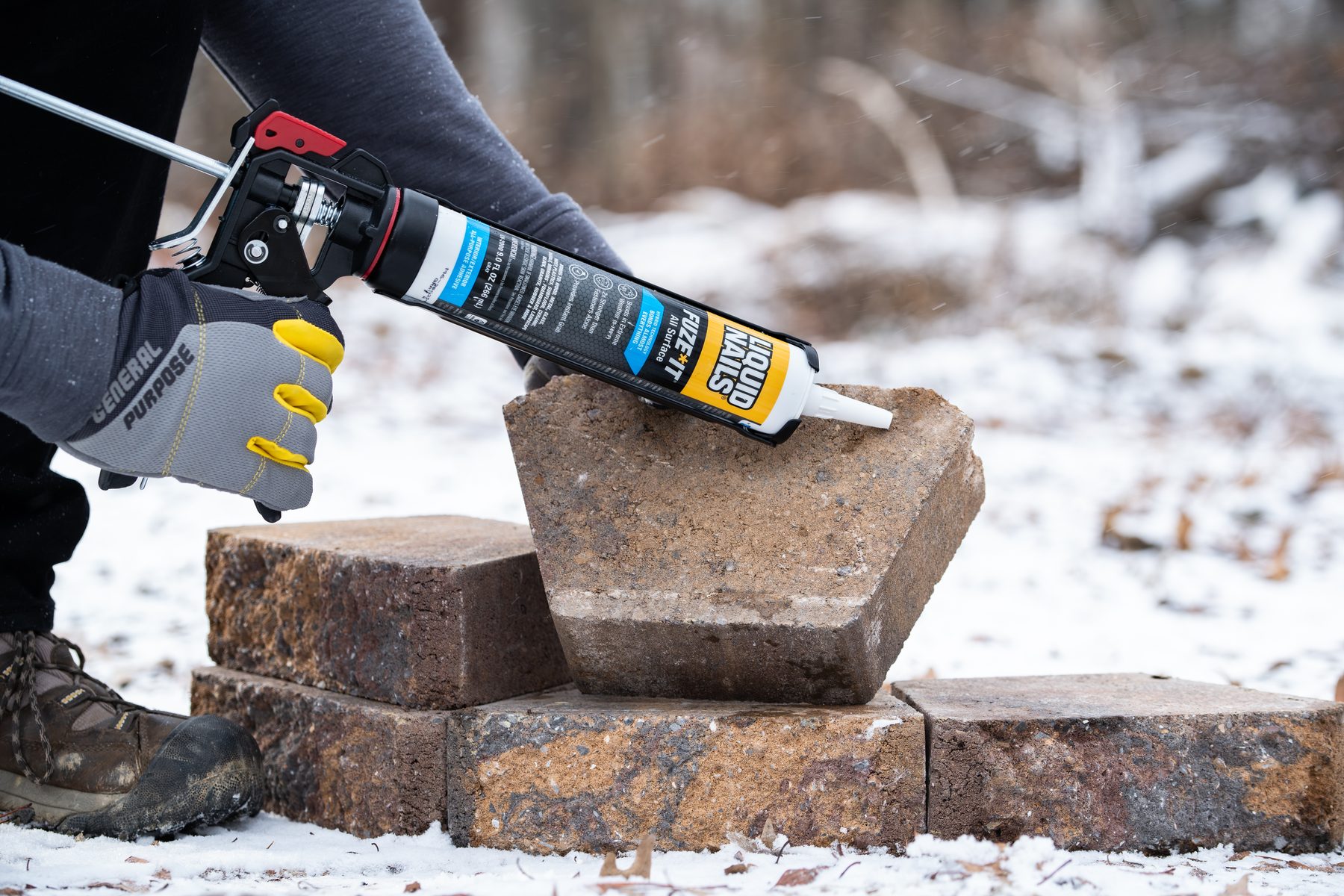
Landscape block adhesive for wall caps and steps
Gravity and interlock hold the body of a retaining wall. The caps, the step treads and the top course have nothing on top of them, so they walk off…